By Nelson Akoth
Human Immunodeficiency Virus attacks the immune system, making it difficult for the body to fight off infections and diseases. HIV is primarily transmitted through sexual contact, sharing needles or other injection drug equipment, and from mother to child during pregnancy, childbirth, or breastfeeding. While HIV is still a serious health concern, there are effective methods to prevent HIV transmission. Abstinence from sexual activity is the most effective way to prevent HIV transmission.
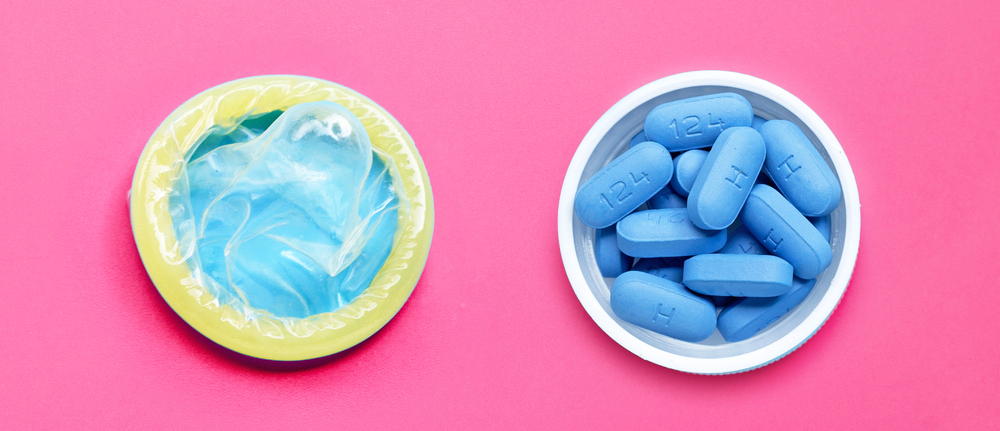
If you choose to engage in sexual activity, having fewer sexual partners and partners who have undetectable HIV viral load can also reduce the risk of transmission. correct and consistent use of condoms during sexual intercourse can significantly reduce not only the risk of HIV transmission but also prevent unwanted pregnancies and other sexually transmitted infections as it acts as a barrier to prevent the exchange of bodily fluids, including semen, vaginal fluids, and blood. Beyond condoms and abstinence, Pre-Exposure Prophylaxis (PrEP), a medication that can be taken daily reduces the risk of HIV transmission and is recommended for people who are at high risk of contracting HIV, such as those who have a partner living with HIV or those who engage in sexual activity without condoms.
Additionally, Post-Exposure Prophylaxis (PEP) is medication that can be taken within 72 hours of possible exposure to HIV to prevent HIV infection after a possible exposure, such as unprotected sexual contact or sharing needles. In addition to these methods, it is important to engage in open and honest communication with sexual partners about HIV status, risk factors and emerging preventive measures. This would support achieving and maintaining an undetectable viral load thus limiting chances of transmission. Understanding and practicing these HIV prevention methods can help reduce the spread of HIV and lead to a healthier and safer future.
Nelson Akoth is a Sexual Health Advocate at NAYA Kenya.