By Emmanuel Mwita, HSC
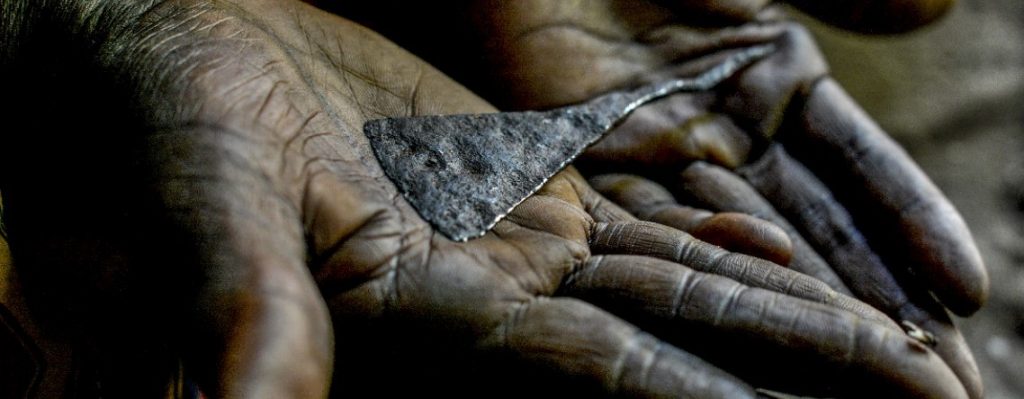
According to the World Health Organization (WHO), over 200 million girls worldwide have undergone FGM and over 68 million are at risk of undergoing FGM by 2030. This has continued to increase the number of girls and women who are survivors of FGM and other harmful practices.
Survivors of FGM have overtime faced both short-term and long and long-term challenges including; pain, loss of dignity, complications during childbirth, anemia, the formation of cysts and abscesses, keloid scar formation, fistula, dyspareunia (painful sexual intercourse), sexual dysfunction, hypersensitivity of the genital area and increased risk of HIV transmission, as well as psychological effects.
Survivors of FGM have also faced strong stigma from both family members and the community. Some have been forcefully taken for the cut after rescue while in some cases it has been difficult to reintegrate the girls rescued back into their families and communities. Some have also been denied basic needs like education.
In Kenya and other parts of the world girls and women who are survivors of FGM have come out strongly to lead movements to create awareness and advocate for the abandonment of FGM, child marriages, and other harmful practices. Through sharing their lived realities on FGM these women continue to add a lot of voice in the efforts to end FGM.
These girls and women and many others who are survivors of these harmful practices continue to face several challenges like limited support networks, limited funding for survivor-led initiatives, lack of adequate rescue and recovery centers, continued stigma/threats from FGM proponents, trauma, and other health complications.
Survivors of FGM need support with life-saving Sexual reproductive health and rights (SRHR) care sensitive to their particular needs, prenatal, safe delivery care, psychosocial counseling services, and safe spaces where survivors and build resilience and community.
During this year’s Zero Tolerance commemorations which is themed “Her Voice, Her Future”, we call on stakeholders and governments to continue Investing in Survivors-Led Movements to End Female Genital Mutilation by involving survivors in co-creating and implementing programs, building and amplifying supportive environment for story telling and enhance building knowledge and skills for survivor networks and movements.
Mr.Mwita is a Migori-based youth advocate at NAYA-KENYA.